What Is Considered Rude in Bali? Etiquette and Rules for Tourists
What is considered rude in Bali: the governor’s official do’s and don’ts, temple etiquette, everyday customs and what the new Criminal Code means.
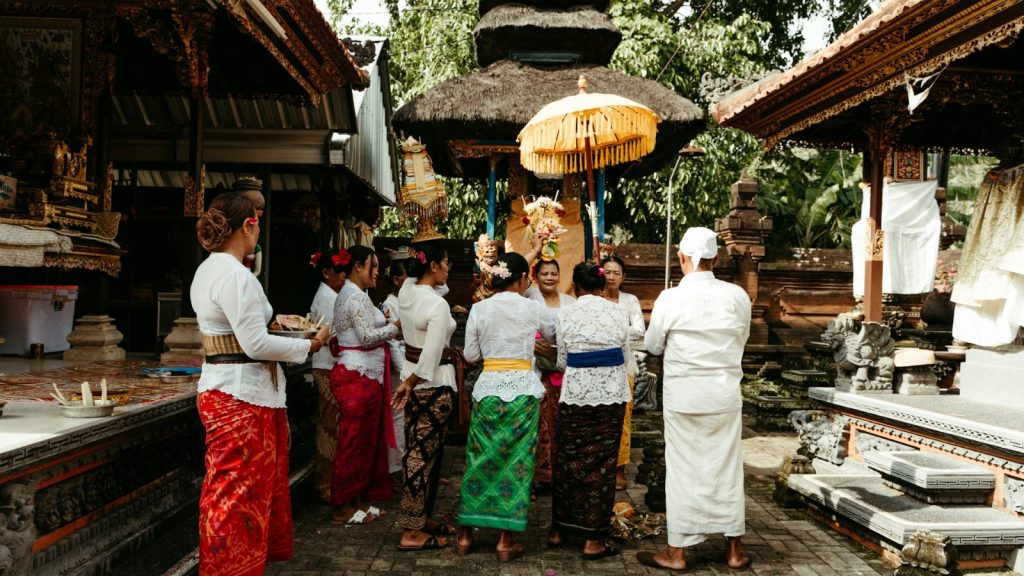
What is considered rude in Bali often surprises first-time visitors. Touching someone’s head, giving something with your left hand, or wearing beachwear into a temple can offend people, even when nothing is said. Some behaviour now goes beyond bad manners. Since March 2025, Bali has had an official list of do’s and don’ts for foreign tourists issued by the governor.
The rules are backed by real enforcement. In August 2026, a court in Denpasar sentenced a Swiss tourist to a year in prison for insulting Nyepi, Bali’s Day of Silence, on social media, Euronews reported.
Key points:
- Bali Governor’s Circular No. 7 of 2025 sets out what foreign tourists must and must not do on the island.
- Tourists may not enter the inner areas of temples unless they are praying in Balinese dress, and not while menstruating.
- Everyday customs matter: use your right hand, do not touch people’s heads, and dress modestly away from the beach.
- Indonesia’s new Criminal Code took effect on 2 January 2026. Its sex-outside-marriage articles apply only if a spouse, parent or child files a complaint.
Bali’s official do’s and don’ts for tourists
Governor Wayan Koster launched Circular No. 7 of 2025 in Denpasar on 24 March 2025, replacing an earlier 2023 version, according to ANTARA. Under the circular, foreign tourists must:
- Respect temples, sacred effigies and religious symbols, as well as local customs and ceremonies.
- Dress politely at sacred sites, tourist attractions and public places.
- Pay the Rp150,000 Bali tourist levy.
- Use licensed tour guides, licensed money changers and licensed accommodation, and pay in rupiah.
- Hold a valid driving licence, wear a helmet and never drive under the influence.
The circular also lists prohibitions. Tourists must not:
- Enter the main or middle zones of a temple except to pray, wearing Balinese traditional dress, and not while menstruating.
- Climb sacred trees, or behave in ways that defile sacred places, including taking indecent photos.
- Litter, pollute lakes, springs, rivers or the sea, or use single-use plastic such as bags, straws and styrofoam.
- Swear, act aggressively or spread hate speech, whether in person or on social media.
- Work or run a business without the proper permits.
The circular itself does not set fines. Penalties come from existing national laws, and Koster said violators would face firm action through sanctions or legal proceedings.
Temple etiquette in Bali
Bali has thousands of temples, and many famous ones, such as Tanah Lot, Uluwatu and Besakih, welcome visitors to their outer areas. Follow these customs:
- Wear a sarong and sash. Both men and women should cover their legs below the knee and their shoulders. Many temples provide or rent sarongs at the entrance.
- Stay in the areas open to visitors. Inner courtyards are for worship. Signs are often posted at the gates.
- Do not stand higher than a priest or walk in front of people who are praying.
- Do not step on offerings. Small palm-leaf trays called canang sari are placed on pavements, doorways and shrines every day. Walk around them.
- Keep it respectful. No kissing, loud behaviour or drone flying unless clearly permitted.
Nude or provocative photos at sacred sites have led to deportations. In 2023, a Russian woman was deported after posing naked at a sacred tree near a temple in Tabanan, detikTravel reported. Cases like this were part of the reason the governor issued formal rules.
Everyday customs that can offend
These are social customs rather than laws, but locals notice them:
- Use your right hand, or both hands, to give, receive or pay. The left hand is considered unclean.
- Do not touch anyone’s head, including children’s. The head is regarded as the most sacred part of the body.
- Point with your thumb or an open hand rather than your index finger, and avoid pointing your feet at people or shrines.
- Cover up away from the beach. Walking through villages or shops in swimwear or shirtless is seen as disrespectful.
- Keep your temper. Raising your voice or showing open anger causes embarrassment. Under the governor’s circular, aggressive behaviour towards locals or officials is prohibited.
- Bargain with a smile at markets, and walk away politely if you cannot agree on a price.
Ceremonies can close roads with little warning, especially around full moons and festivals such as Galungan. Wait patiently or find another route. Never drive through a procession.
Nyepi and the case of the Swiss tourist
On Nyepi, everyone on the island, including tourists, is expected to stay indoors for 24 hours. In March 2026, Bali police arrested a Swiss man over an Instagram post that repeatedly used profanity about the holiday, the Jakarta Post reported. The Denpasar District Court sentenced him to one year in prison in August, finding that villa staff had told him about the restrictions beforehand.
For details on the next Day of Silence on 8 March 2027, read our guide to Nyepi 2027 and the rules for tourists.
“Come to Bali because you love Bali, not because you want to damage Bali.”
Wayan Koster, Governor of Bali (translated from Indonesian)
Koster made the remark in December 2025 while saying Bali would no longer accept “cheap tourism” that causes problems, detikBali reported.
What Indonesia’s new Criminal Code means for tourists
Indonesia’s new Criminal Code, Law No. 1 of 2023, took effect on 2 January 2026. It includes articles on sex outside marriage and on unmarried couples living together. Both are complaint-based offences: only a spouse, or the parents or children of an unmarried person, can file a report. Police, hotels and neighbours cannot start a case, according to Kontan. When the law was passed in 2022, the Bali provincial government said there would be no checks on marital status at hotel check-in.
Quick etiquette checklist for Bali:
- Carry a sarong in your day bag for unplanned temple visits.
- Bring a reusable water bottle and shopping bag to avoid single-use plastic.
- Ask before photographing people, especially during ceremonies.
- Pay the tourist levy and use licensed services. See our guide to money in Bali.
- Think twice before posting about local religion or holidays online.
Most Balinese are welcoming and forgiving of honest mistakes. Showing that you are making an effort, whether with a sarong at the temple gate or a simple “terima kasih” (thank you), goes a long way.
Main photo: Worshippers in traditional dress at a temple ceremony in Bali. Photo: Polina Kuzovkova via Unsplash (Unsplash License).
Was this article helpful?

Author
Fiki AprianNext article
Indonesia Digital Nomad Visa (E33G): Requirements, Cost and Tax

Read more
Money in Bali: ATMs, Money Changers, Cards and QRIS for Tourists
Money in Bali for tourists: rupiah notes, ATM fees for foreign cards, how to spot a licensed money changer, QRIS for six countries and cash rules.
Fiki Aprian

Best Time to Visit Bali: Month-by-Month Weather and Crowds
The best time to visit Bali is April to October for dry weather. Month-by-month rainfall, crowds, the late 2026/27 rainy season and key 2027 dates.
Fiki Aprian

Tipping in Bali: How Much to Tip Drivers, Restaurants and Hotels
Tipping in Bali is optional but appreciated. What “++” means on a bill, how much to tip drivers, guides, spa and hotel staff, and how to tip in rupiah.
Fiki Aprian